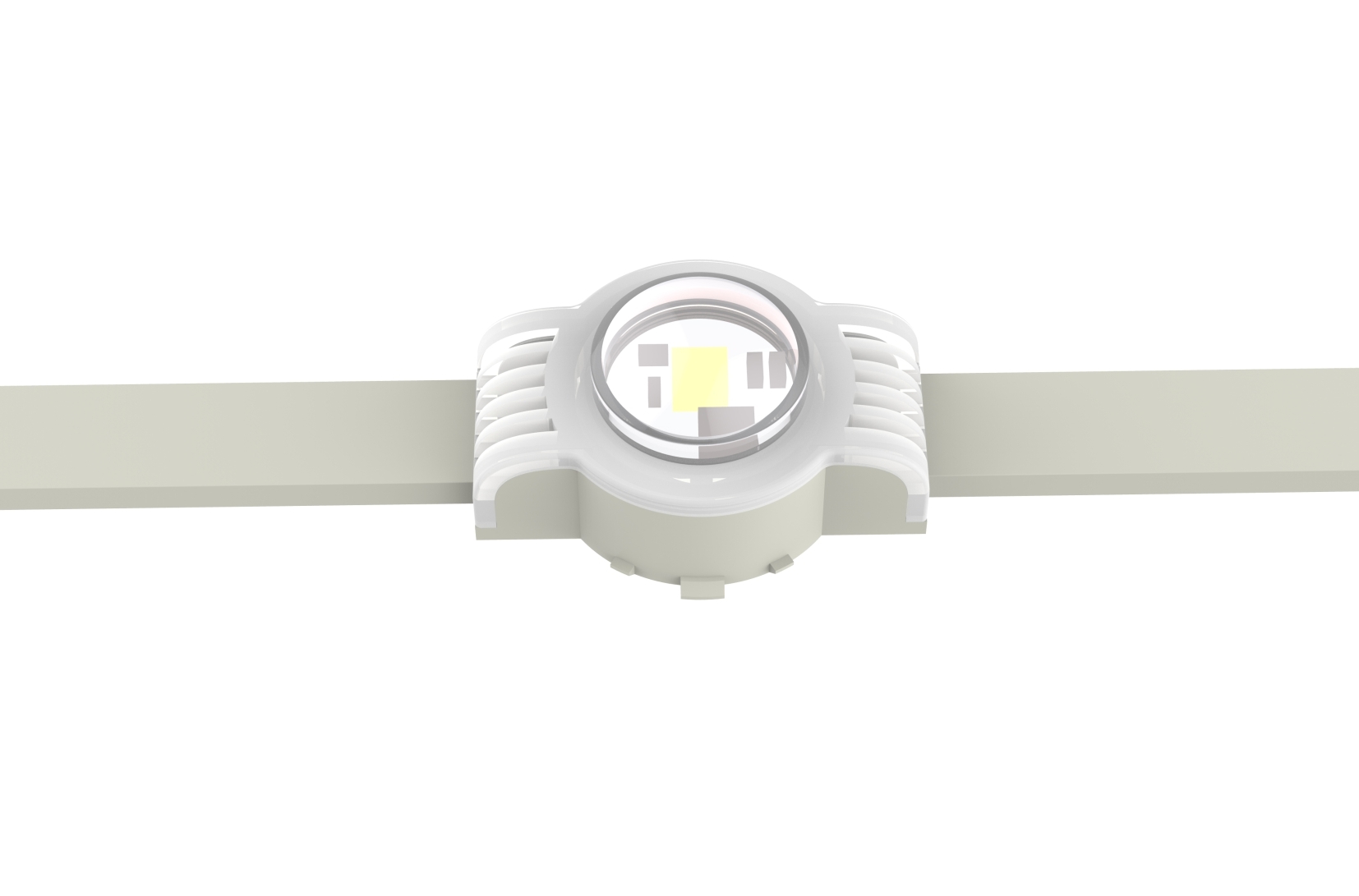
Round LED Pixel Lights
0.3 W / 1 W / 1.5 WRated power per node
Review the selected model voltage, light-point body, aluminium-channel drawings and project control requirements.
View Series & Models
Explore round, square and rectangular LED pixel lights for architectural patterns, façade outlines and decorative light-point layouts. Compare eight models across three series.
Architectural Pixel Lighting
YY round LED pixel lights trace rooflines and bridge spans. With individually addressable nodes and a compatible video controller, a YY grid can display video on a media façade. We can customise the housing colour, rated power per node and node spacing.
Round LED Pixel Lights
3 models in one series
0.3 W / 1 W / 1.5 WRated power per node
Review the selected model voltage, light-point body, aluminium-channel drawings and project control requirements.
View Series & ModelsArchitectural Pixel Lighting
FD square LED pixel lights align with cladding joints and façade grids. Pair an addressable grid with a compatible video controller to display graphics and video. We can match the housing colour to the cladding and tailor the rated power and spacing of the nodes.
Square LED Pixel Lights
3 models in one series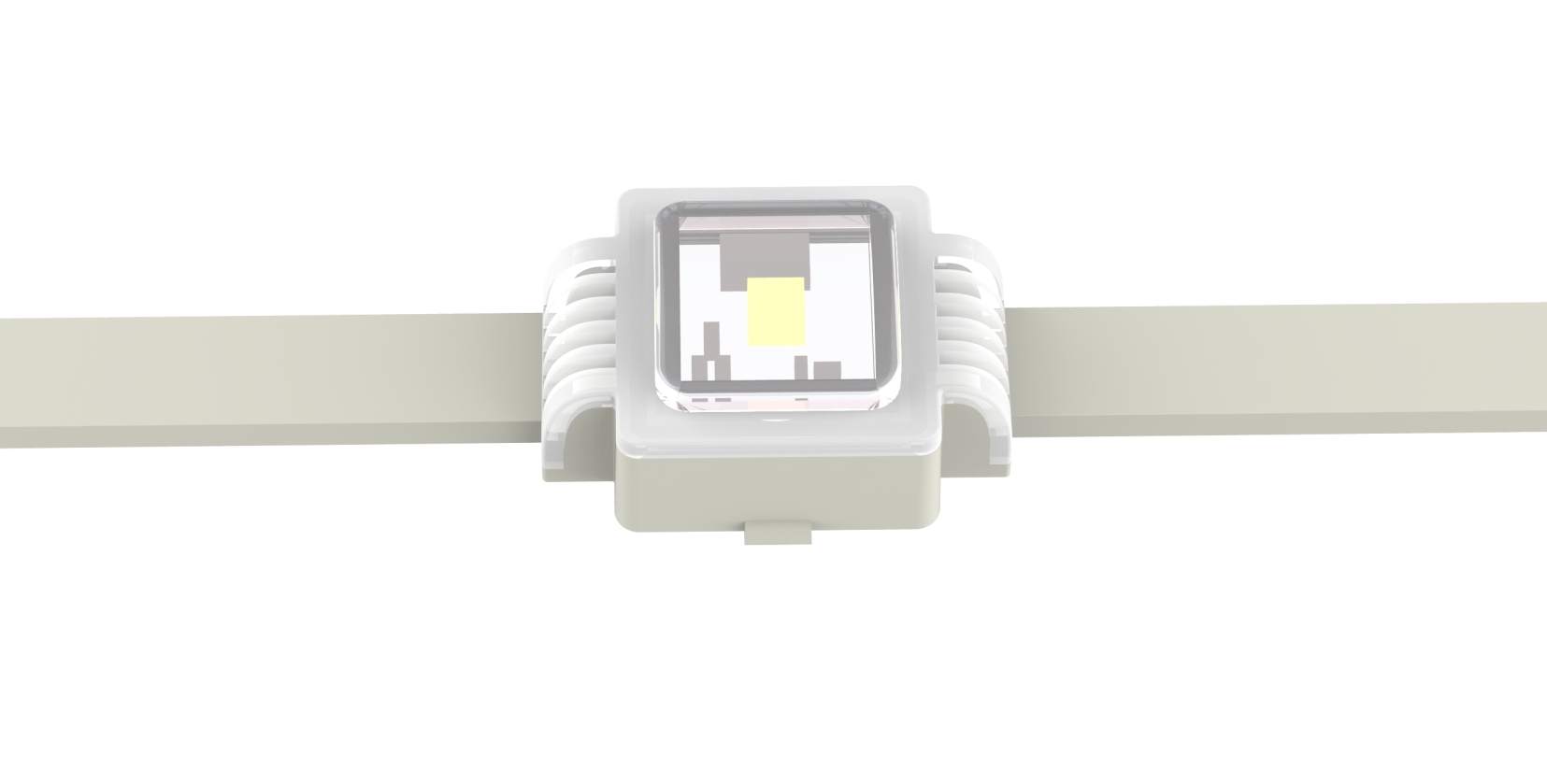
0.3 W / 1 W / 1.5 WRated power per node
Review the selected model voltage, light-point body, aluminium-channel drawings and project control requirements.
View Series & ModelsArchitectural Pixel Lighting
CH rectangular LED pixel lights pick out floor edges and columns in short lines of light. A compatible video controller can drive rows of addressable CH nodes as a media façade. We offer custom housing colours, power ratings per node and node spacing.
Rectangular LED Pixel Lights
2 models in one series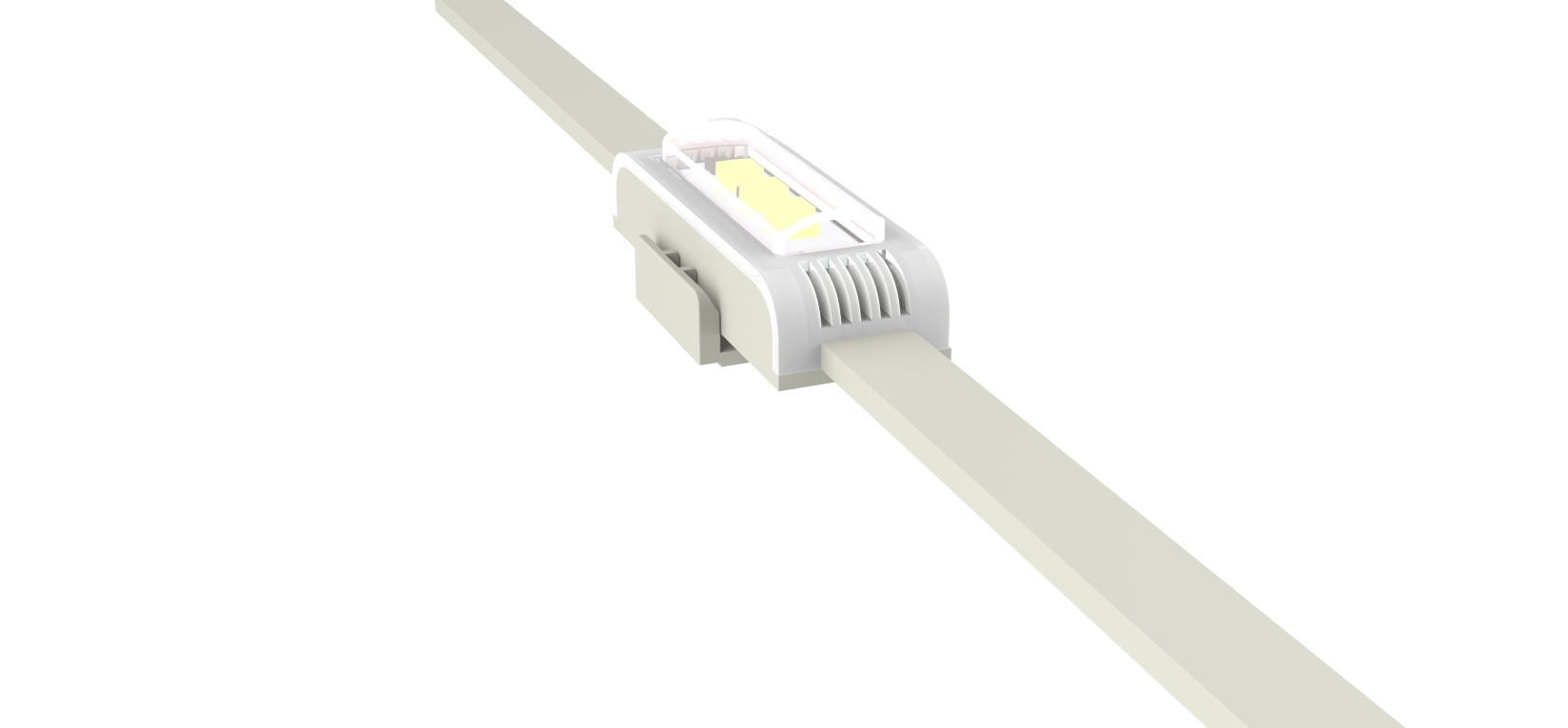
1 W / 1.5 WRated power per node
Review the selected model voltage, light-point body, aluminium-channel drawings and project control requirements.
View Series & ModelsProduct Categories
Browse CRANE’s core architectural lighting categories for facade, exterior and landscape lighting applications.
Linear wall washing for facades, exterior walls and architectural surfaces.
Explore Category →Powerful exterior illumination for facades, structures and landscape projects.
Explore Category →Continuous linear lighting for architectural outlines, facade details and exterior structures.
Explore Category →Dynamic point-source lighting for media facades, outlines and architectural effects.
Flexible linear lighting for coves, outlines and outdoor architectural details.
Explore Category →Recessed exterior lighting for facades, pathways, landscapes and architectural accents.
Explore Category →APPLICATIONS
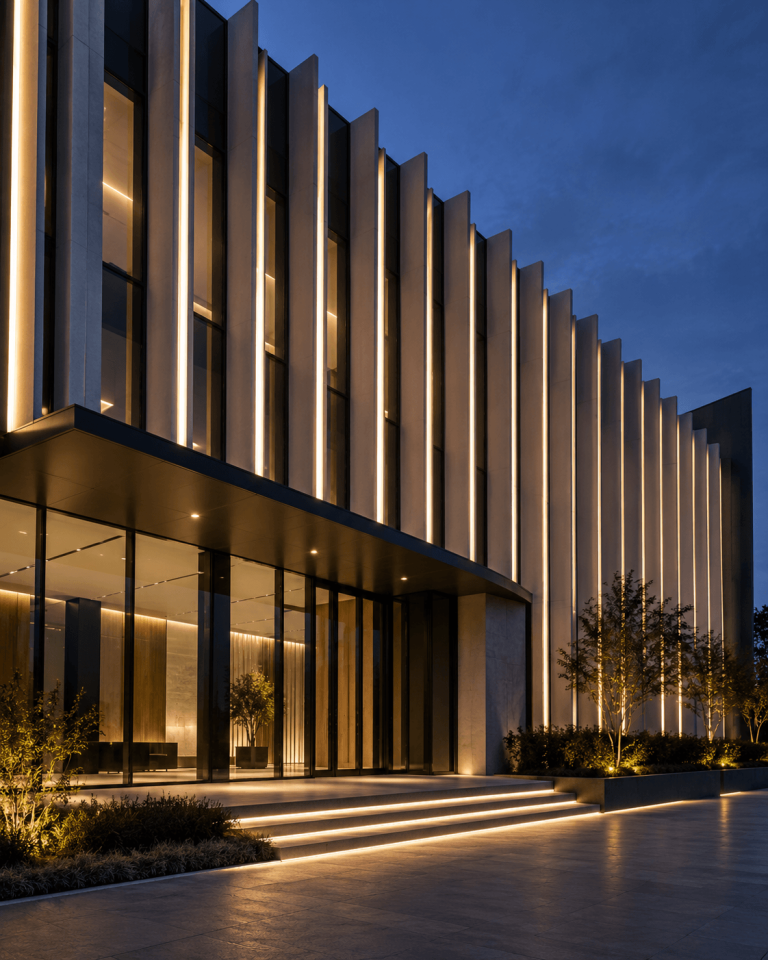
Arrange repeated light points along façade outlines and architectural details. Review housing shape, mounting space and pixel spacing against the elevation.
Explore Solution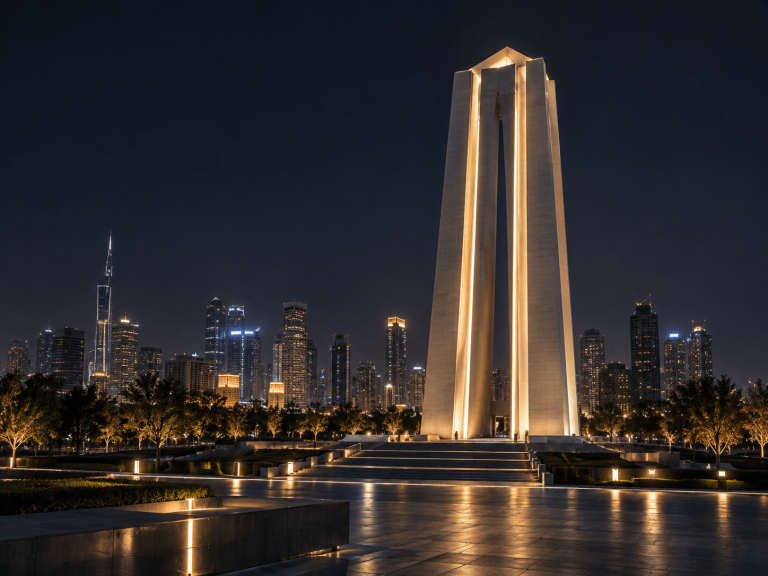
Define repeated patterns and static or changing colour accents on architectural features. Confirm the selected product configuration and control system.
Explore Solution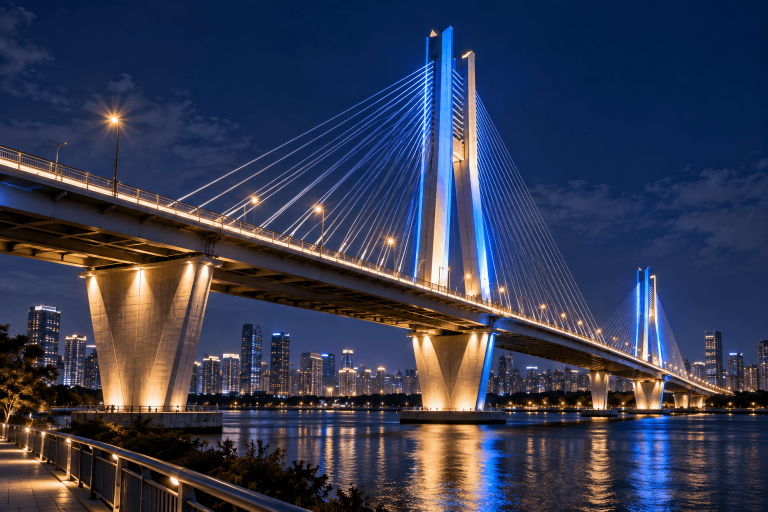
Coordinate light points with structural lines, cable routes and primary viewing directions. Application images are references, not proof of a specific YY, FD or CH installation.
Explore SolutionLIGHTING EFFECTS
Choose round, square or rectangular housings to suit the architectural detail and intended pattern.
White, RGB, RGBW and Single Colour are listed options. Confirm the colour/control combination for the required scene or media concept.
The sheet lists 5, 6, 8 or 10 points per metre and project customization. Final spacing depends on the actual lighting layout.
SELECTION GUIDE
Compare the product structure and matching aluminium-channel section. Keep body, flange and channel dimensions separate.
Select the model before choosing a DC supply. Voltage and power options differ across the eight models.
Confirm the required White, RGB, RGBW or Single Colour configuration with SPI (TTL), DMX512 or ON/OFF control.
Share the elevation, viewing distance, light-point quantity and desired spacing for layout and wiring review.
PRODUCT COMPARISON
The terms “pixel light” and “point light” often overlap in architectural lighting. “Pixel light” commonly emphasizes coordinated arrays, patterns and control, while “point light” is a broader term for compact point-source luminaires that may be used individually or as part of a larger lighting system.
Often refers to light points used as part of a coordinated pattern or dynamic facade system.
A broader term for compact point-source architectural luminaires used individually or in groups.
ENGINEERING SUPPORT
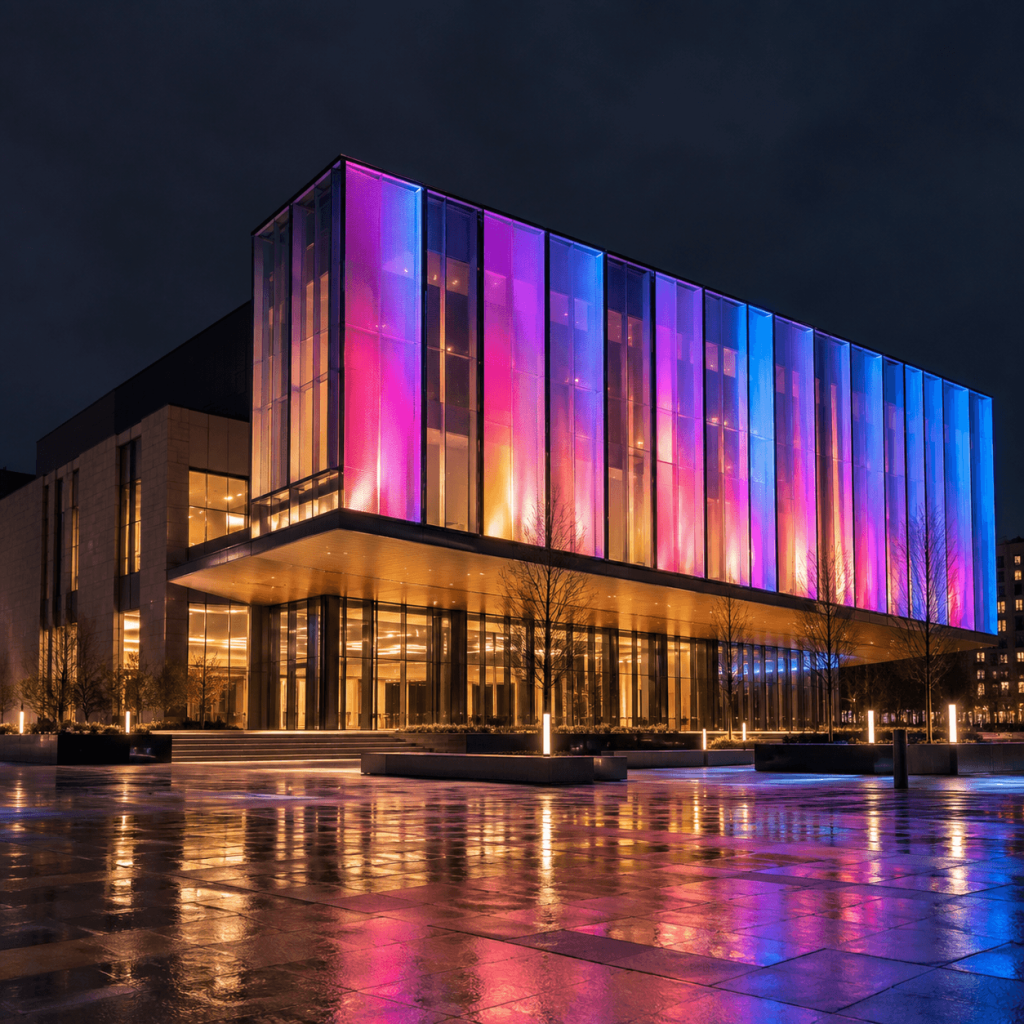
Pixel lighting projects depend on the relationship between fixture layout, viewing distance, color requirements and control. Project drawings and lighting concepts can be reviewed together before the final system configuration is confirmed.
FAQ
It is a compact luminaire used as a light point in an architectural pattern or repeated array. Pixel and point light terminology overlaps; the actual colour and control capabilities depend on the selected configuration.
Choose YY round, FD square or CH rectangular according to the intended light-point shape and mounting detail. Compare the model body and aluminium-channel drawings, then confirm supply, power and the project layout.
Consider facade geometry, primary viewing distances, mounting constraints and the visual detail required by the proposed content. Node size is not a recommended pitch; review the actual layout and system design or a representative mock-up.
Viewing distance influences how individual points and a pattern are perceived. Evaluate the actual spacing, brightness, background and content at the intended distances; no single fixed distance is suitable for every project.
No. Individually controlled effects require a suitable node configuration, compatible controller, addressing, mapping and content system. A single node or an on/off configuration does not establish the capabilities of the completed facade.
Confirm the model’s chosen color and control version together with the controller, addressing, signal distribution and project mapping. Catalogue options are not proof that every model, combination or third-party controller is compatible.
Calculate loads from the exact node configuration and quantities, then design supply locations, cable sizing, voltage drop and protection for the actual runs. Confirm connection limits and wiring with the product and system documentation.
Provide facade elevations, node form and quantity, target pitch, viewing positions, desired effects, supply locations and control concept. Include the proposed mounting and cable route so the complete system can be reviewed.
START A PROJECT
Share your preferred YY, FD or CH model, project drawing, pixel spacing, light colour and control requirements to begin a focused selection discussion.