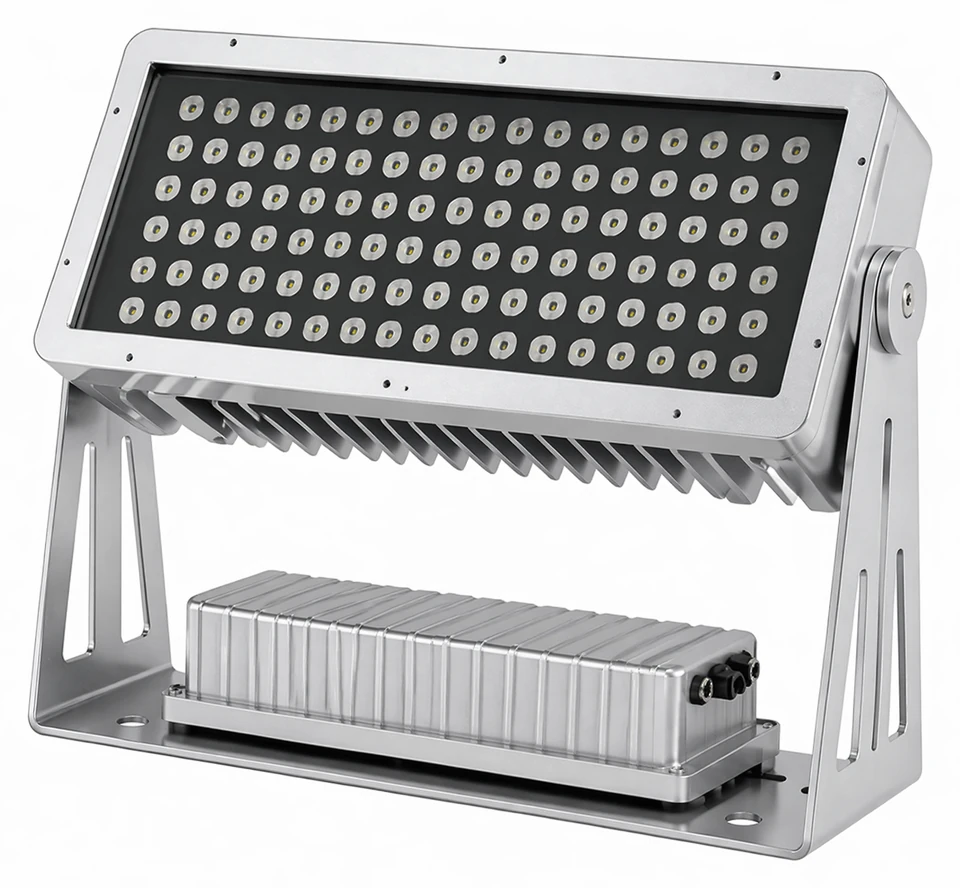
P Single-Module
ModelsW380PW465PW615P
150–384 WListed power range
Single rectangular modules in three housing sizes.
View Product
Explore CRANE architectural LED flood lights by series, then compare product groups, included models and listed power ranges.
Rectangular floodlights
Rectangular architectural floodlights in single- and dual-module formats, with five models covering 150–768 W.
Products in P Series
2 product groups
ModelsW380PW465PW615P
150–384 WListed power range
Single rectangular modules in three housing sizes.
View Product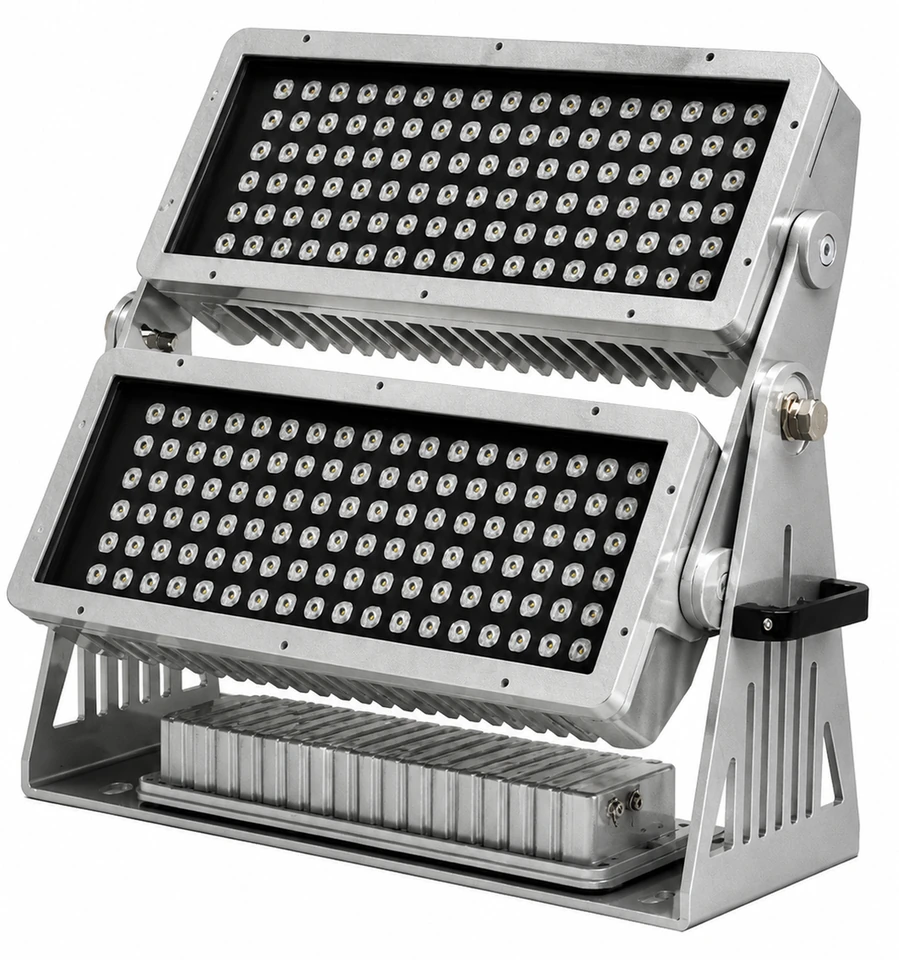
ModelsW465DPW615DP
400–768 WListed power range
Two stacked rectangular modules in each fixture.
View ProductRound U-bracket floodlights
Round U-bracket floodlights in compact and larger sizes, with six XYLSY models covering 10–240 W.
Products in XY Series
2 product groups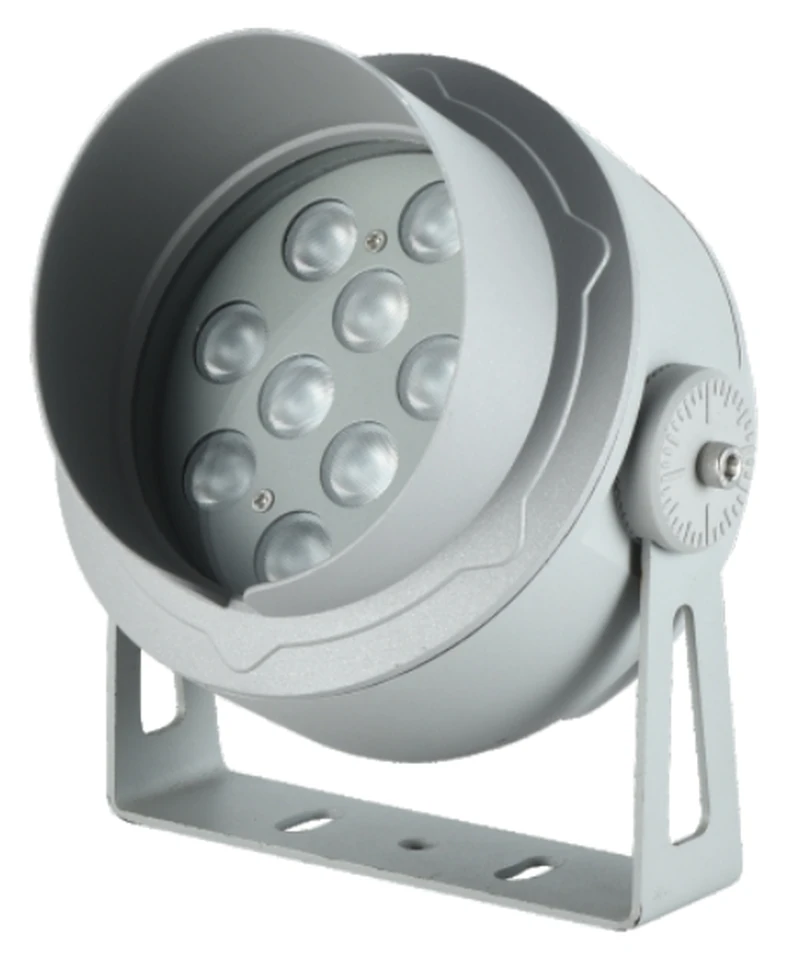
ModelsXYLSY-95XYLSY-150XYLSY-180
10–36 WListed power range
Three smaller round U-bracket housing sizes.
View Product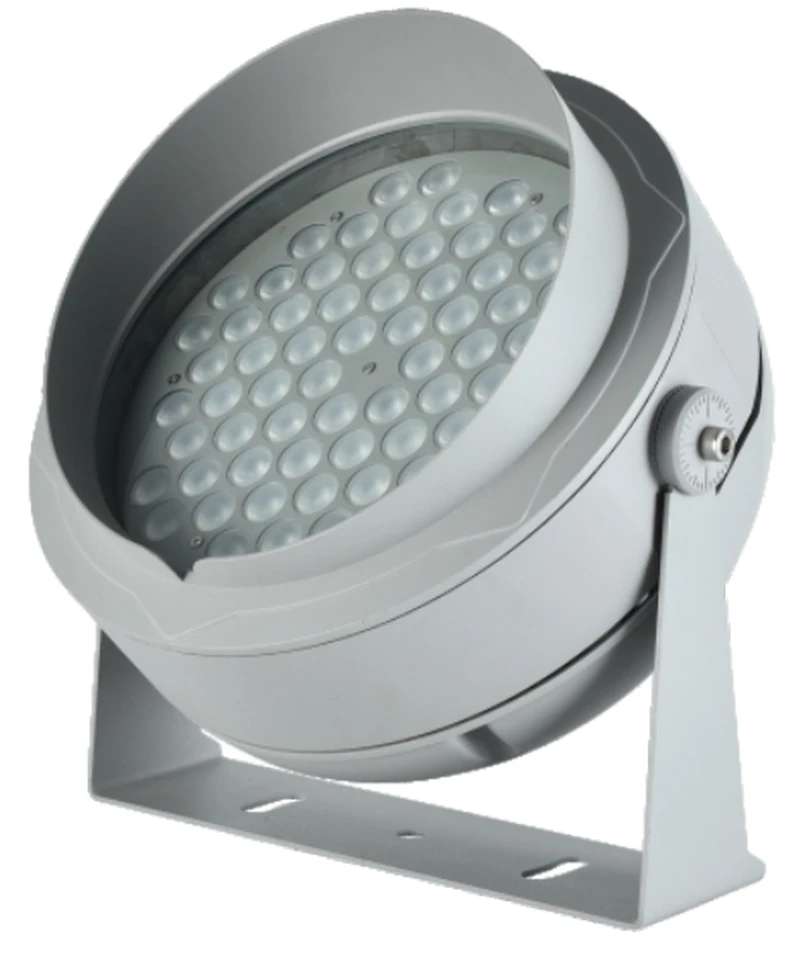
ModelsXYLSY-230XYLSY-290XYLSY-355
36–240 WListed power range
Three larger round housings with model-specific optical layouts.
View ProductThree housing families
Architectural floodlights in three distinct housing families: Moonwatcher, Pathfinder and Patriot.
Products in C Series
3 product groups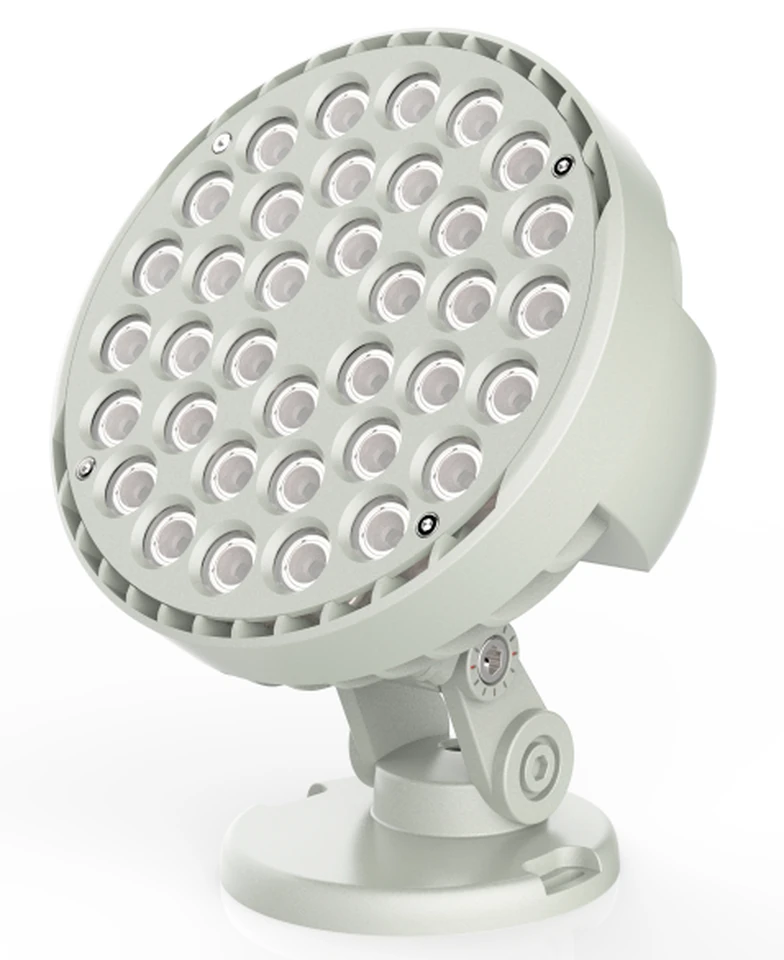
ModelsMoonwatcher IMoonwatcher II
12–72 WListed power range
Round light heads with adjustable base mounts.
View Product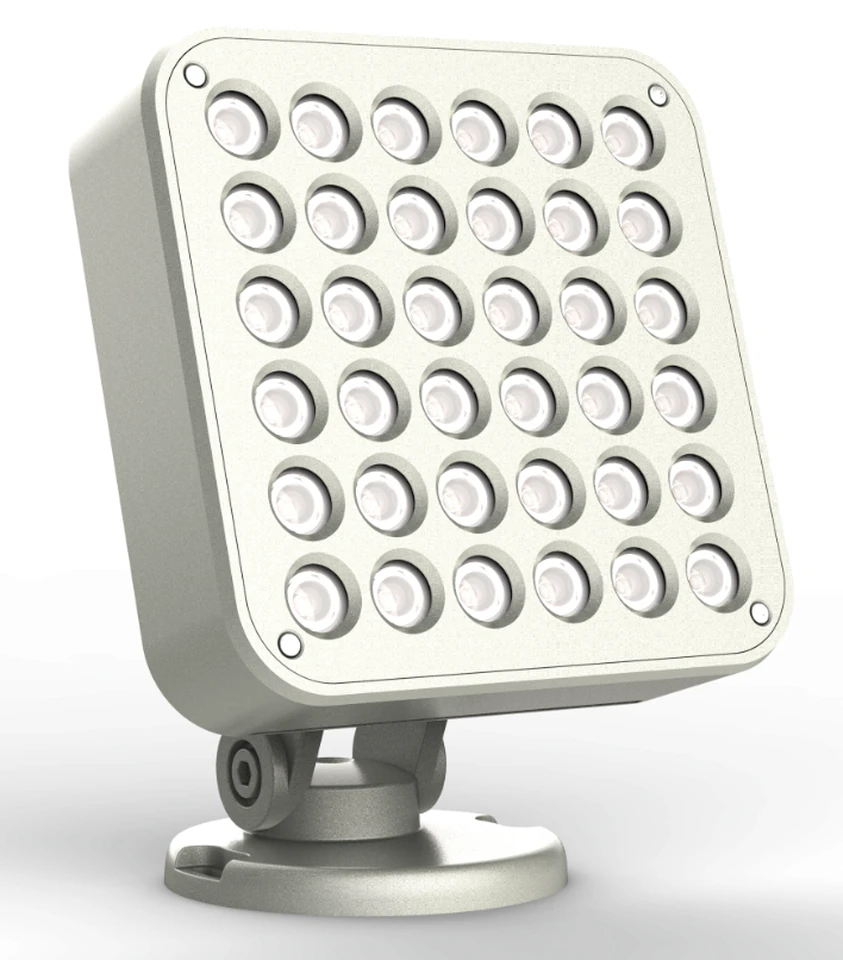
ModelsPathfinder IPathfinder II
12–72 WListed power range
Square light heads with adjustable base mounts.
View Product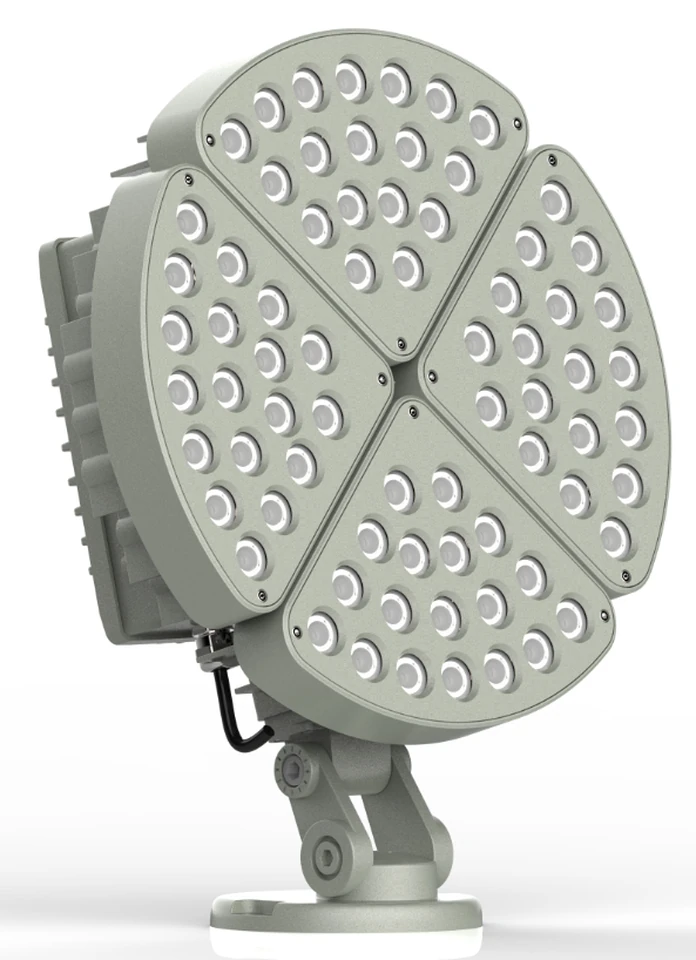
ModelsPatriot IPatriot IIPatriot III
12–144 WListed power range
Segmented fan-shaped heads in three different formats.
View ProductRound floodlights
Round U-bracket floodlights with four housing sizes and listed model power ranges spanning 120–300 W.
Products in V Series
1 product group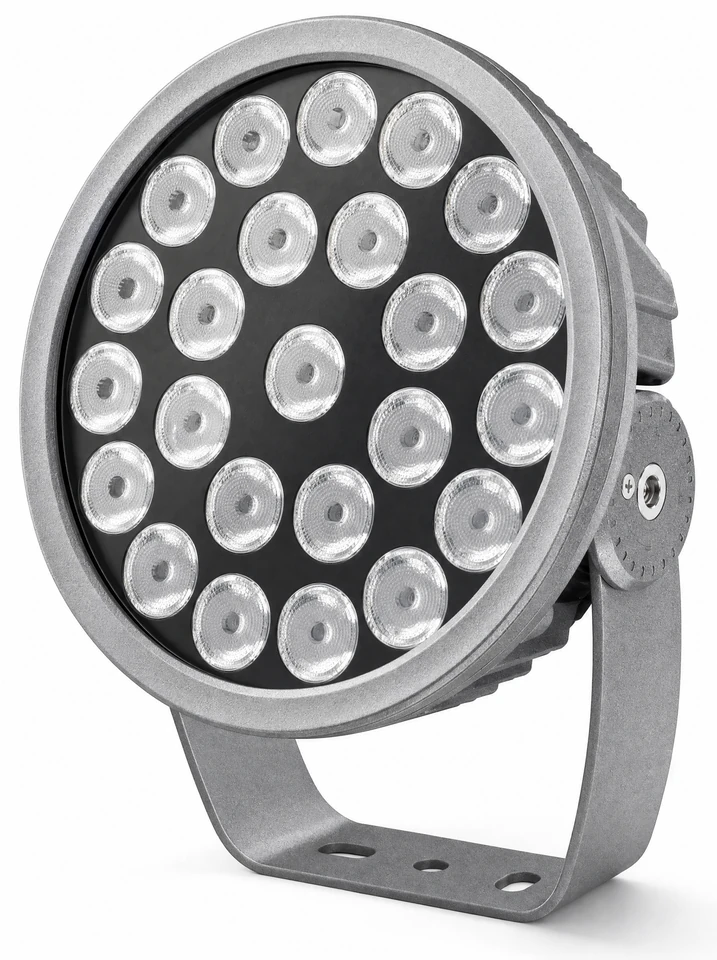
ModelsV260V300V370V420
120–300 WListed power range
Four round U-bracket models with increasing housing sizes.
View ProductThree housing families
Three distinct GL housing families cover a range of sizes and listed model power ranges spanning 6–240 W.
Products in GL Series
3 product groups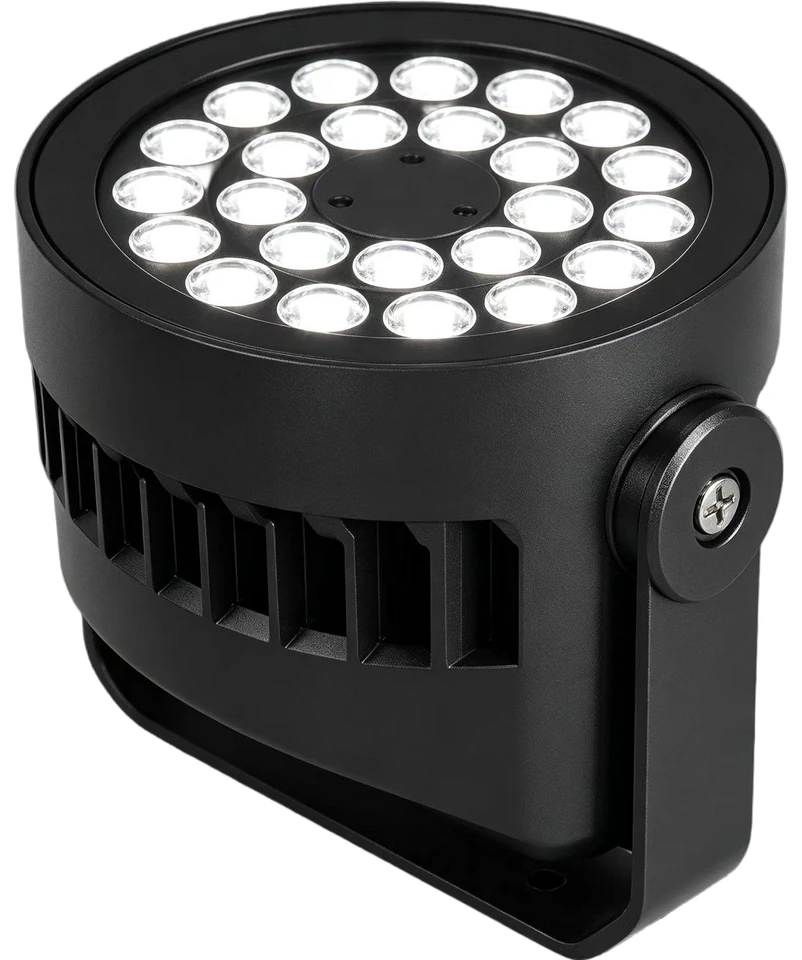
ModelsGL Phantom 130GL Phantom 175GL Phantom 220GL Phantom 280
30–240 WListed power range
Finned round housings with U-bracket mounting.
View Product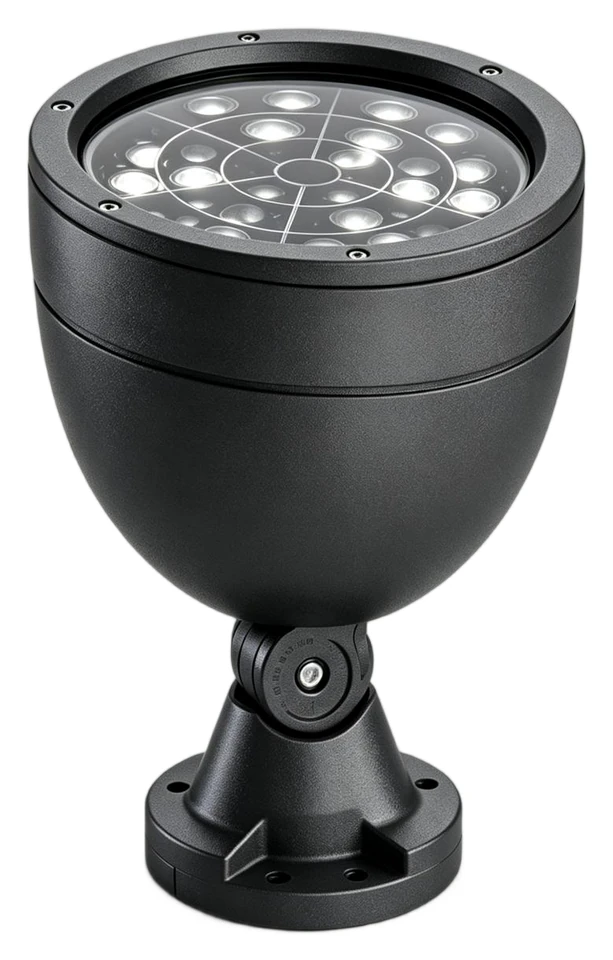
ModelsGL Jinbei 85GL Jinbei 130GL Jinbei 175GL Jinbei 220GL Jinbei 280
6–180 WListed power range
Cup-shaped light heads with base-mounted supports.
View Product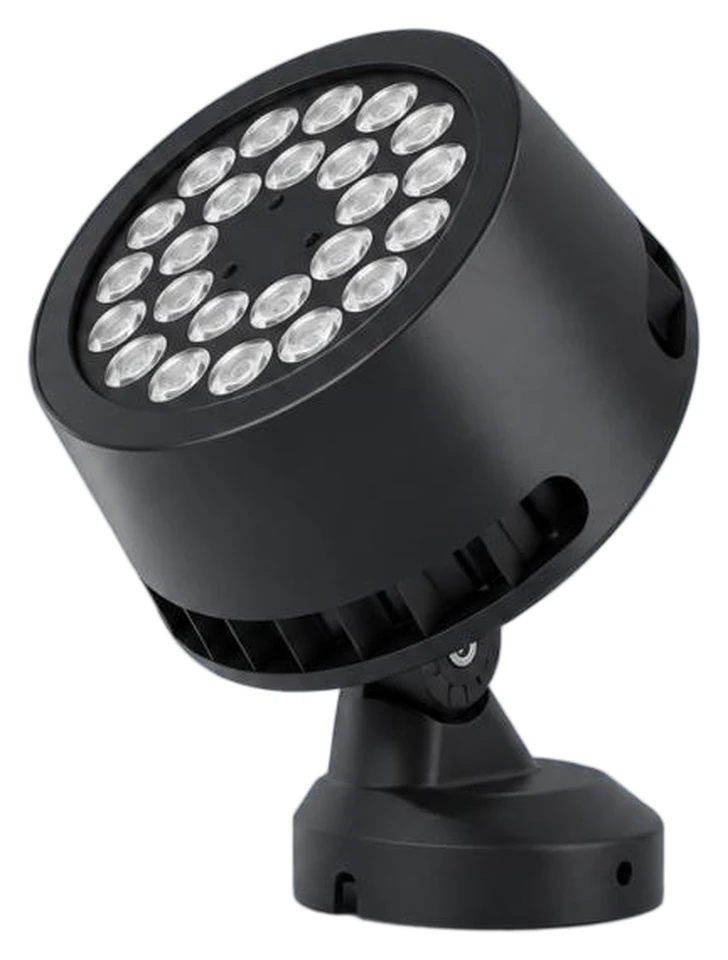
ModelsGL Jinbei II 150GL Jinbei II 200GL Jinbei II 260
24–108 WListed power range
A distinct cylindrical housing design in three sizes.
View ProductCylindrical floodlights
Cylindrical architectural floodlights in nine sizes, with base-mount and U-bracket arrangements.
Products in R Series
3 product groups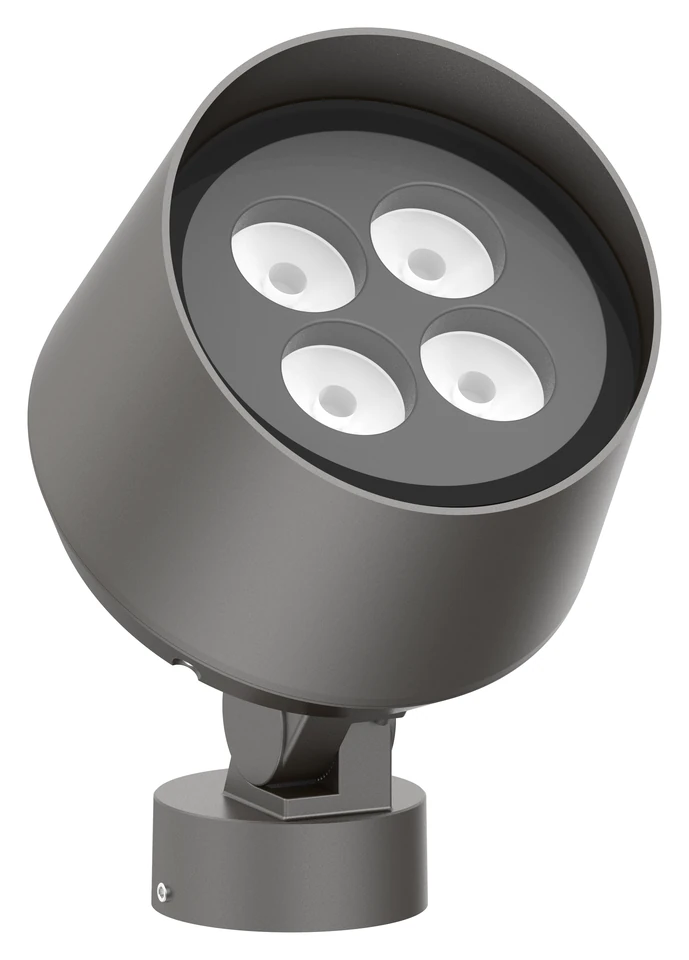
ModelsR110R120R135R150
12–48 WListed power range
Four smaller cylindrical models with base or U-bracket mounting.
View Product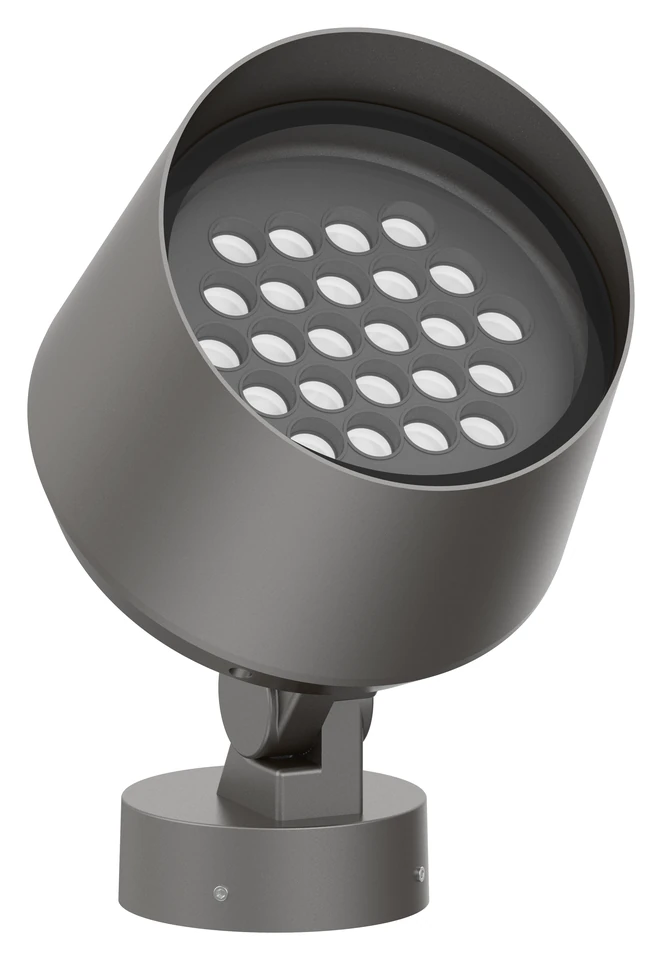
ModelsR170R200R225
48–120 WListed power range
Three intermediate cylindrical housing sizes.
View Product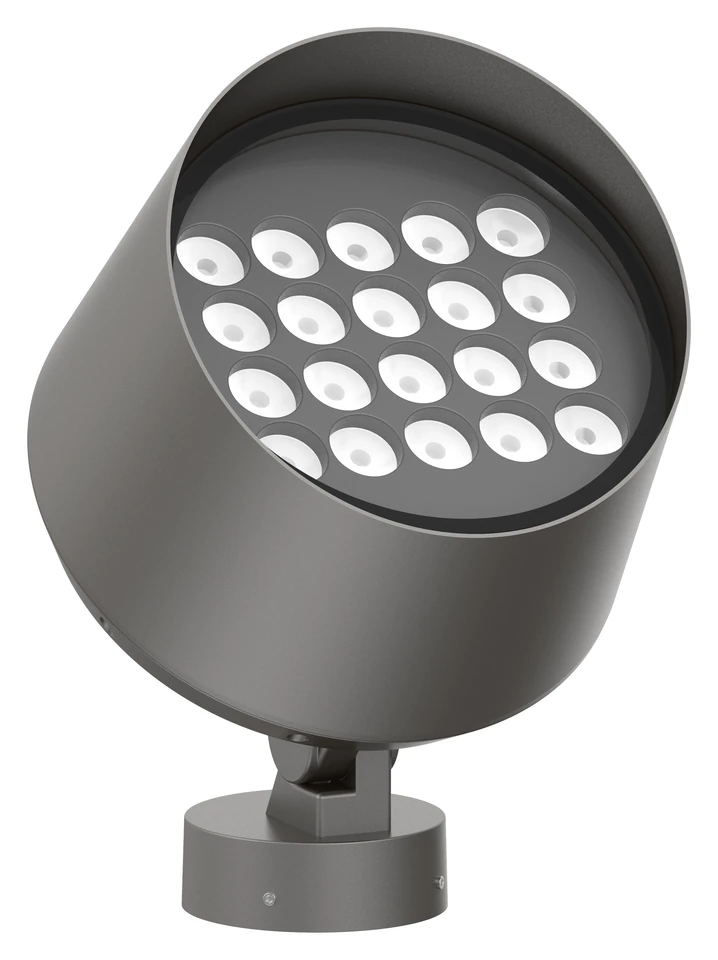
ModelsR260R300
100–200 WListed power range
The two largest listed R Series models.
View ProductCylindrical base-mount floodlights
Cylindrical base-mount floodlights in compact and larger sizes, with standard and integral-hood head options.
Products in T Series
2 product groups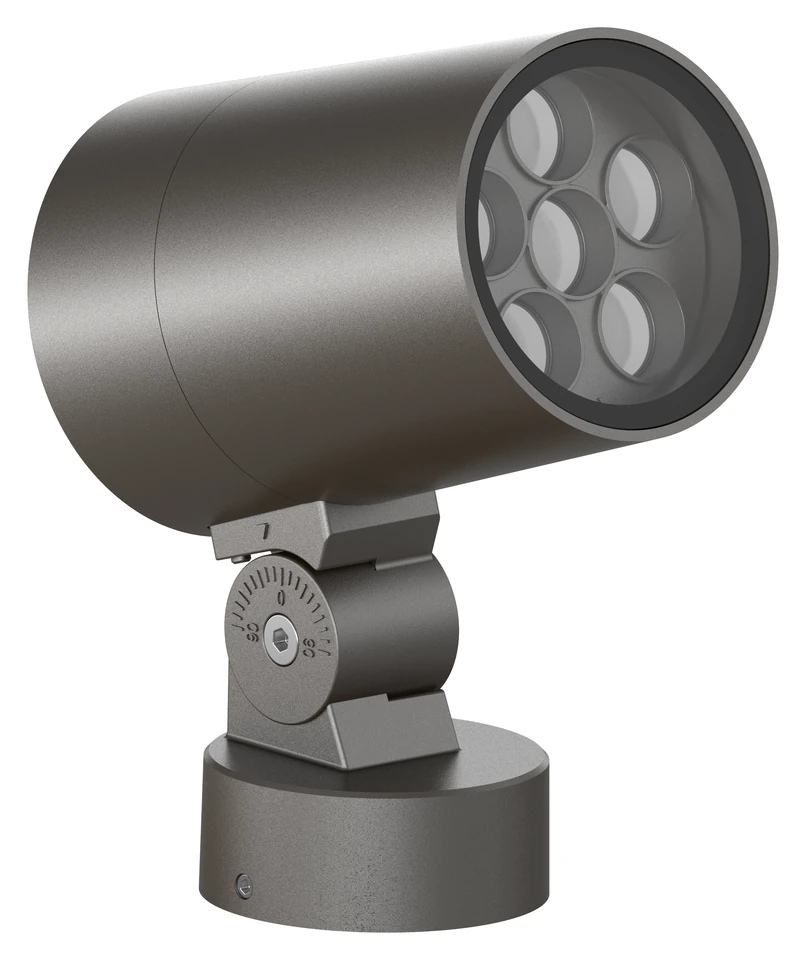
ModelsT55T65T85T100
3–36 WListed power range
Four smaller cylindrical models with adjustable base mounts.
View Product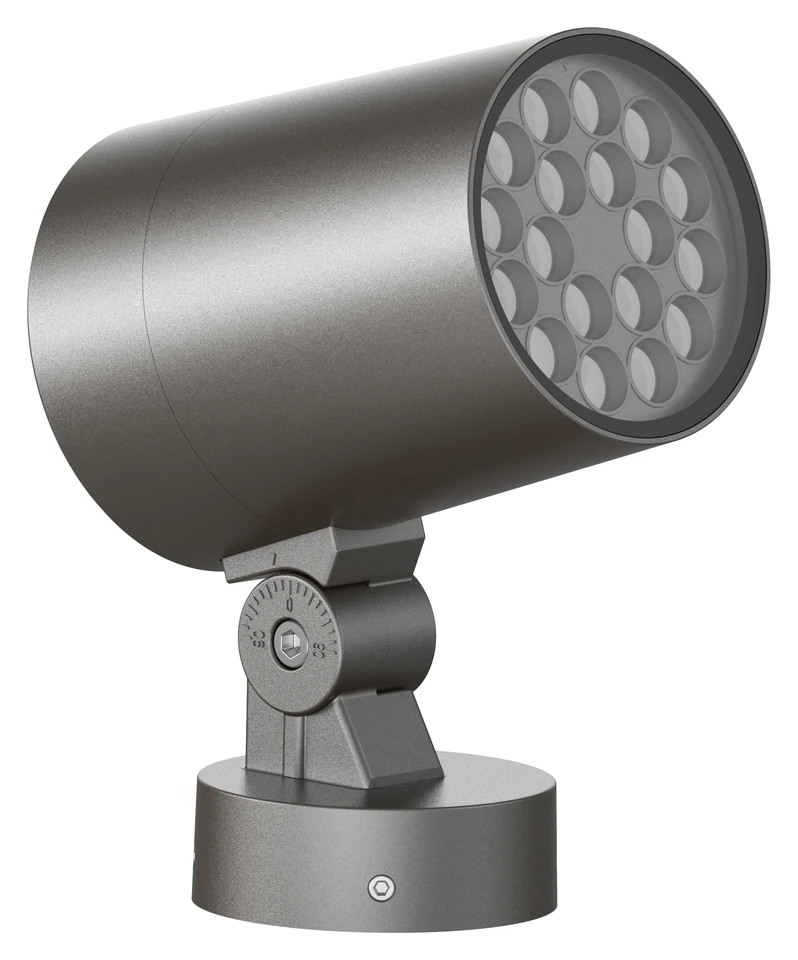
ModelsT120T140T160T200
24–120 WListed power range
Four larger cylindrical models with standard or integral-hood heads.
View ProductFinned round floodlights
Round finned-housing floodlights in compact, standard and large sizes, with nine models covering 6–240 W.
Products in D Series
3 product groups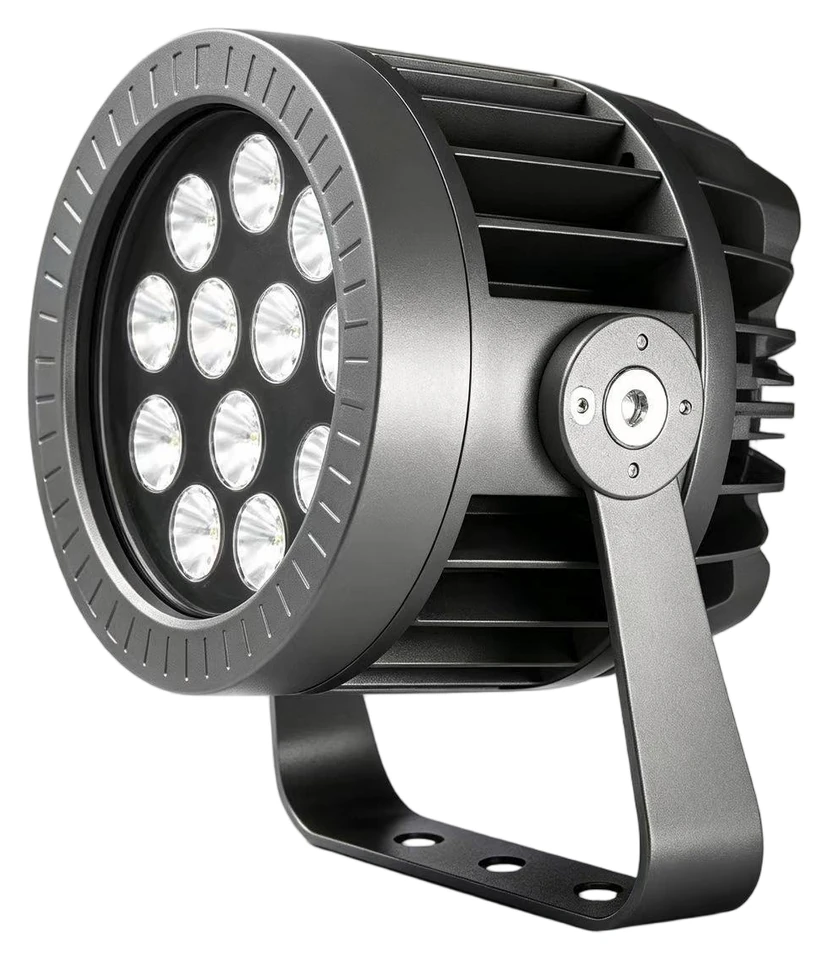
ModelsD65D85D110
6–24 WListed power range
Three smaller round fixtures with finned housings.
View Product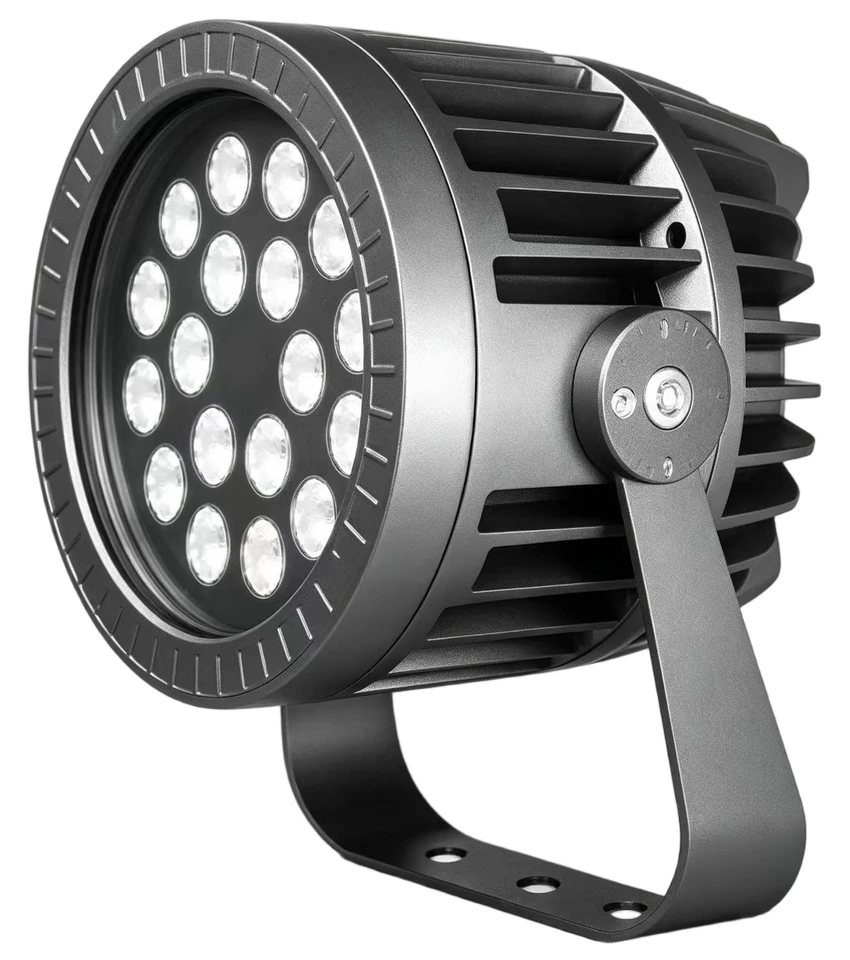
ModelsD130D160D180D210
18–96 WListed power range
Four intermediate round housing sizes.
View Product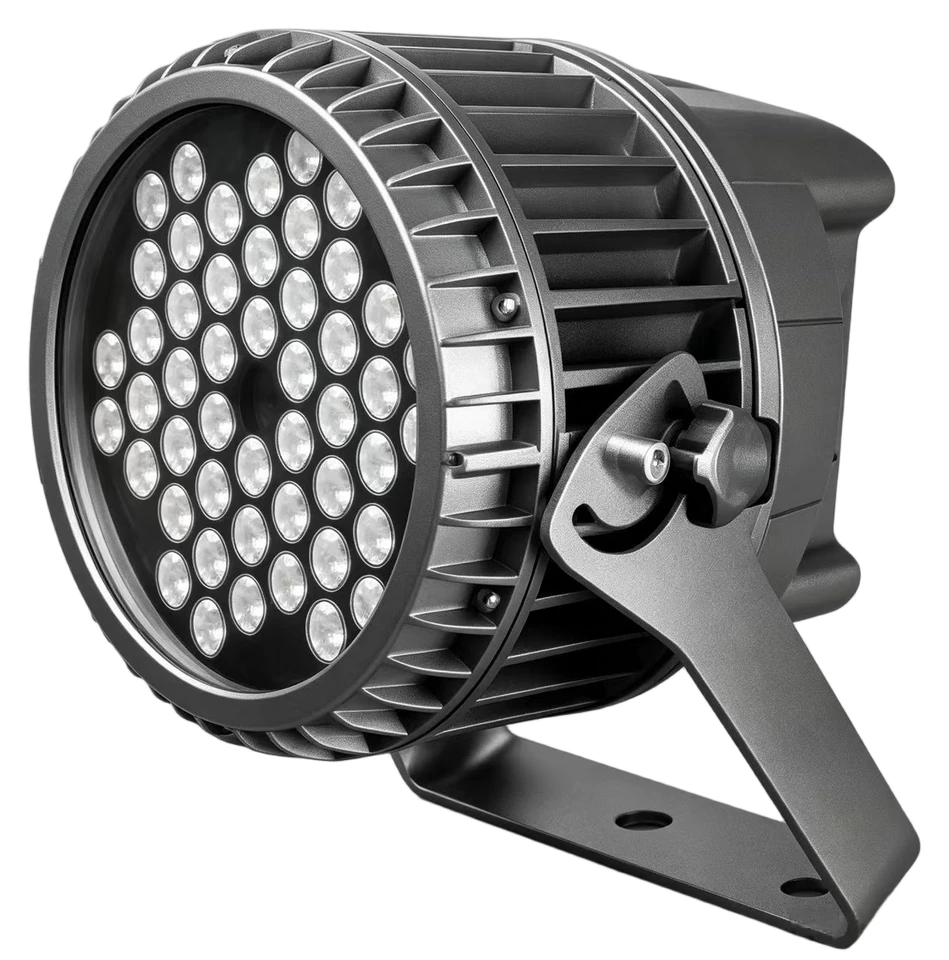
ModelsD230D300
100–240 WListed power range
Two larger housings with a different visible fin and bracket design.
View ProductSquare floodlights
Square U-bracket floodlights in compact, standard and high-output groups, with nine models covering 3–120 W.
Products in W Series
3 product groups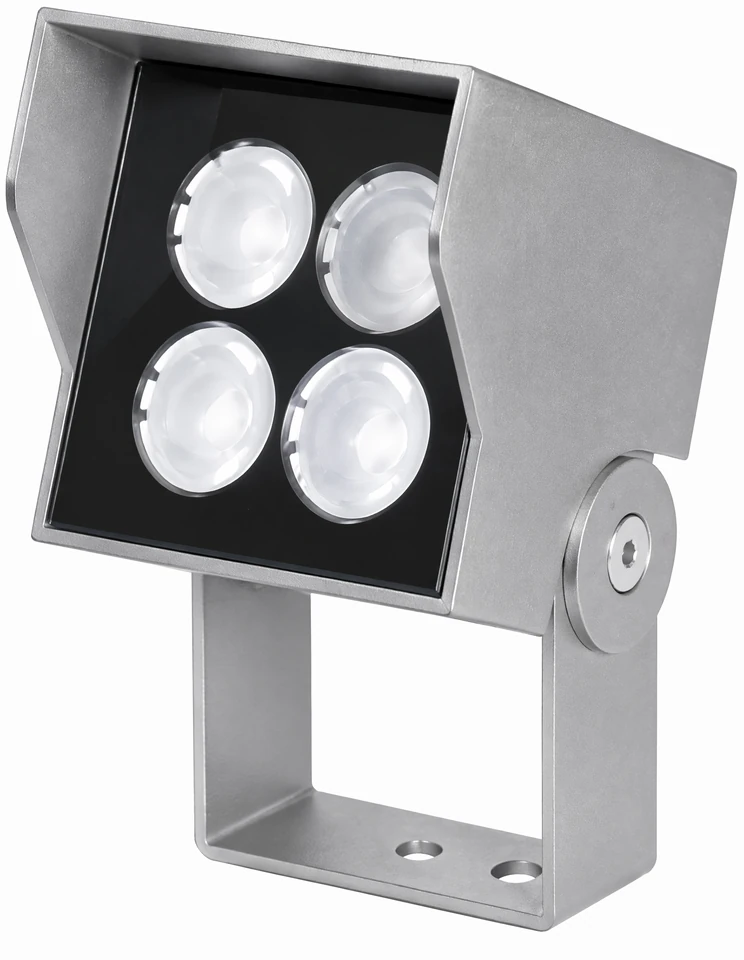
ModelsW45W65W80
3–15 WListed power range
Three compact square U-bracket housings.
View Product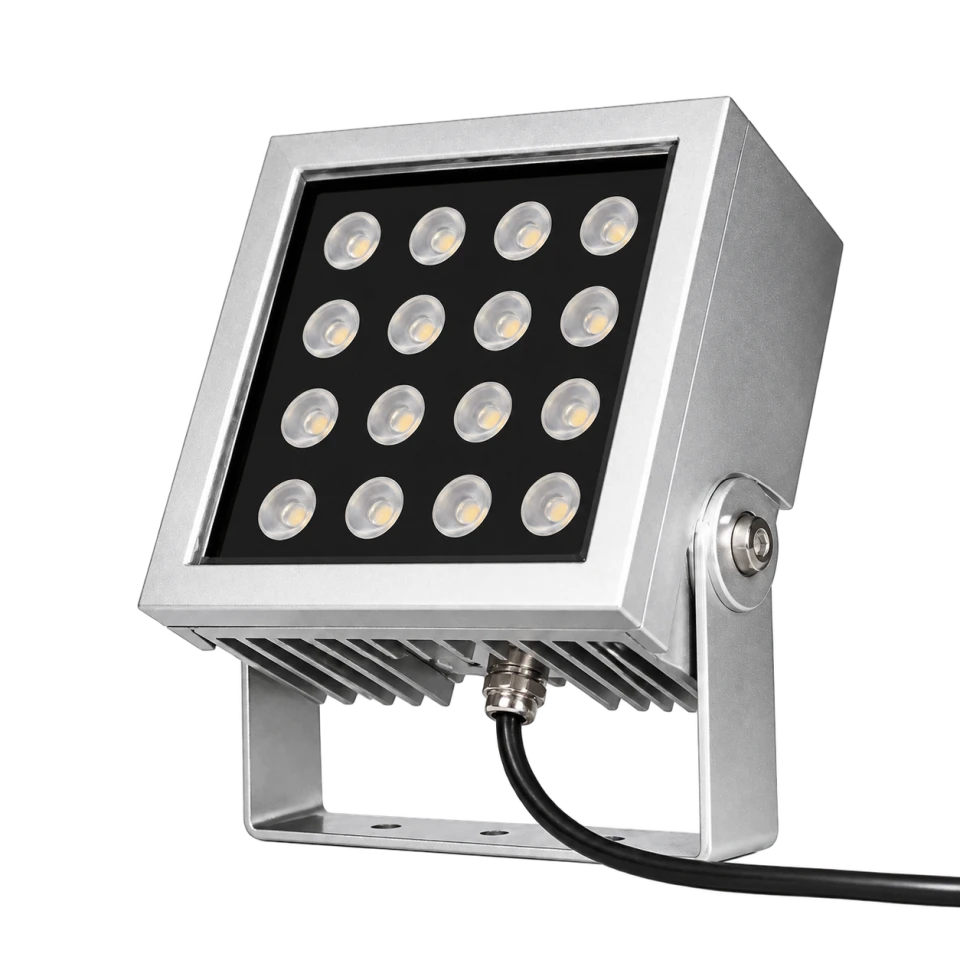
ModelsW105W130W160W185
15–60 WListed power range
Four progressively larger square housings, including W185.
View Product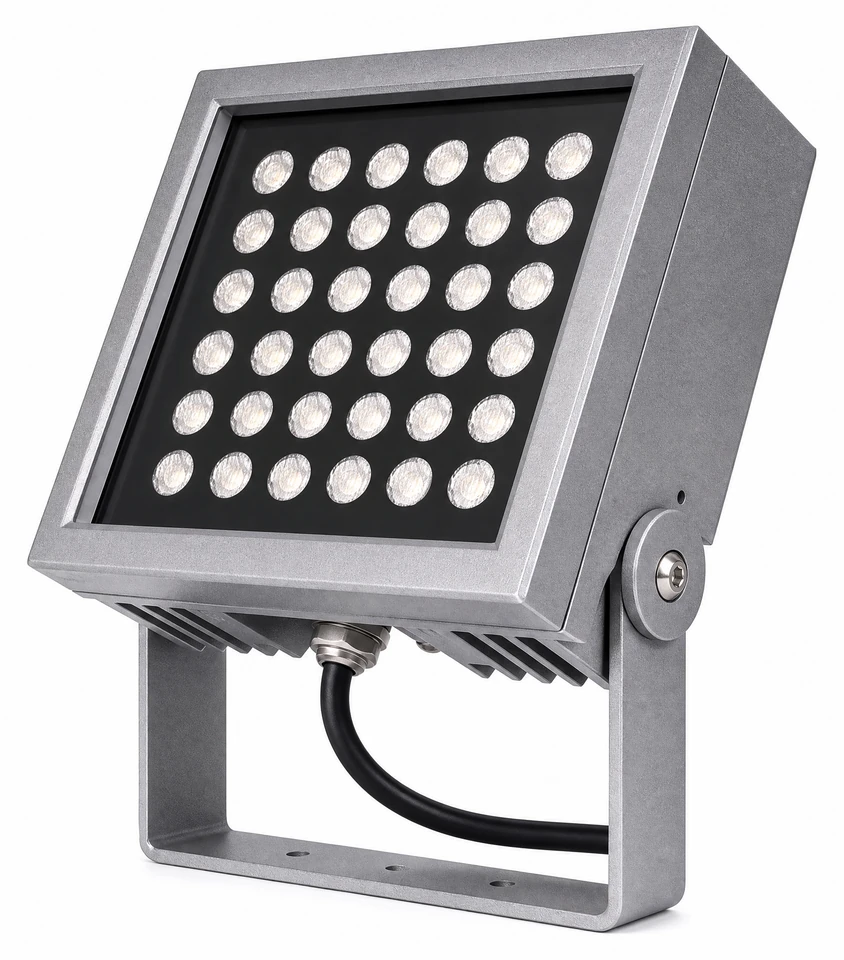
ModelsW220W220L
72–120 WListed power range
Two 220 mm-wide models with different housing depths.
View ProductProduct Categories
Browse CRANE’s core architectural lighting categories for facade, exterior and landscape lighting applications.
Linear wall washing for facades, exterior walls and architectural surfaces.
Explore Category →Powerful exterior illumination for facades, structures and landscape projects.
Continuous linear lighting for architectural outlines, facade details and exterior structures.
Explore Category →Dynamic point-source lighting for media facades, outlines and architectural effects.
Explore Category →Flexible linear lighting for coves, outlines and outdoor architectural details.
Explore Category →Recessed exterior lighting for facades, pathways, landscapes and architectural accents.
Explore Category →APPLICATIONS
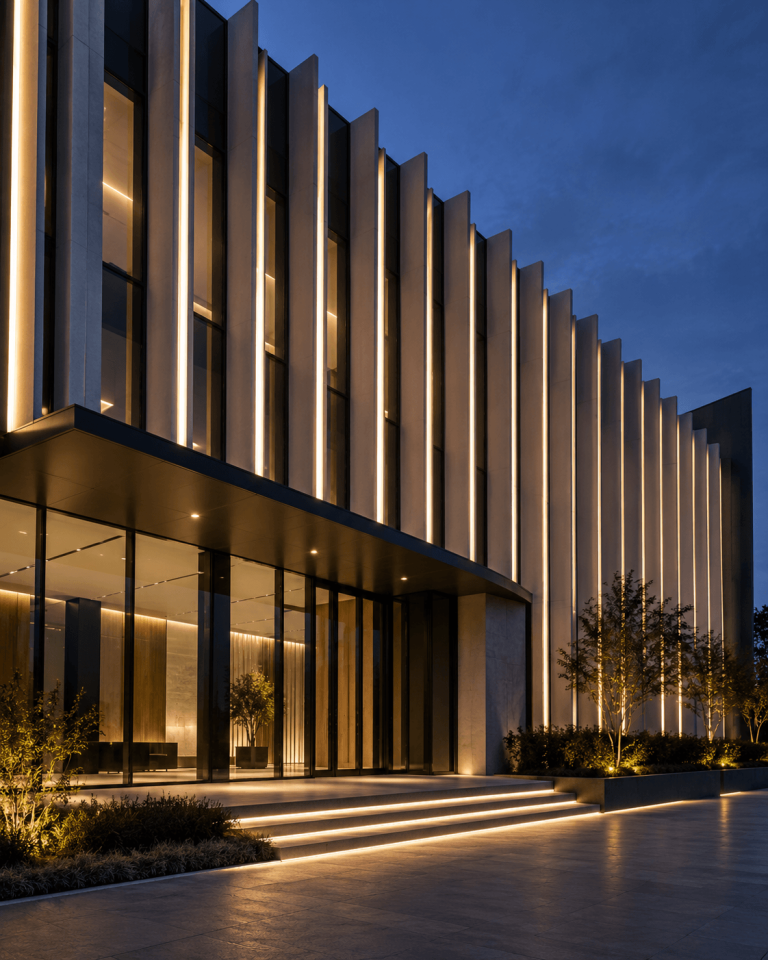
Illuminate broad facade surfaces, upper elevations and architectural forms where greater projection distance or wider coverage is required.
Explore Solution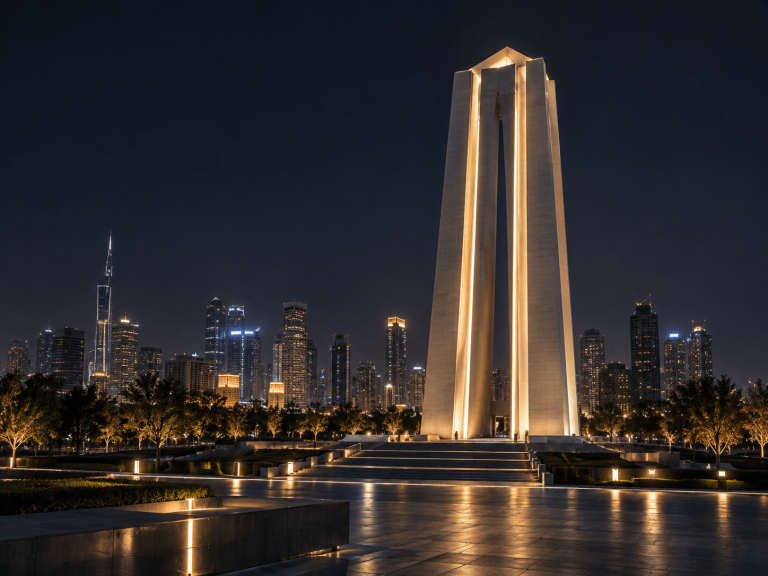
Highlight prominent structures, architectural forms and nighttime identity using controlled flood and accent illumination.
Explore Solution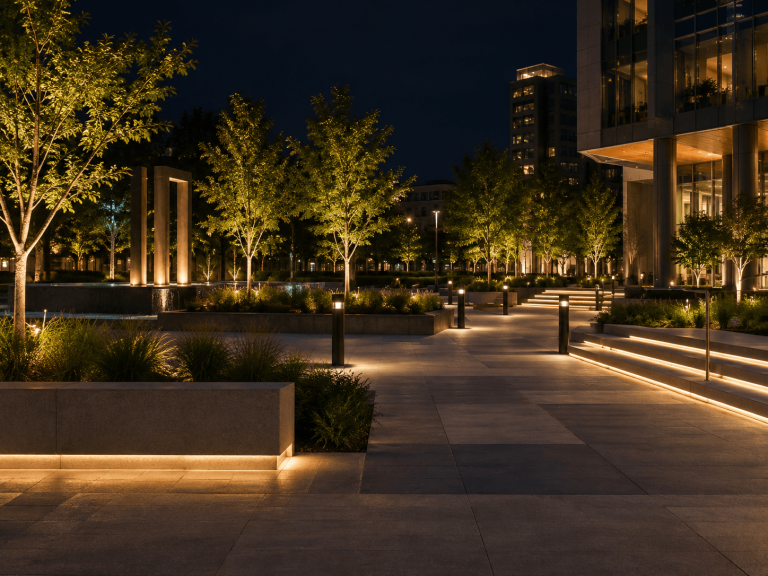
Use flood illumination for trees, large landscape features, public spaces and outdoor architectural environments.
Explore SolutionLIGHTING EFFECTS
Distribute light across larger architectural surfaces and outdoor areas where broad visual coverage is required.
Use more focused illumination to emphasize building elements, structural features and architectural focal points.
Project controlled light toward elevated, distant or large-scale architectural targets where fixture placement is farther from the illuminated surface.
SELECTION GUIDE
The distance between the luminaire and target surface influences required output, beam distribution and the overall lighting result.
Narrow, medium or wide distributions should be considered according to target size, fixture distance and the desired balance between focus and coverage.
Ground, wall, pole or structural mounting positions influence aiming, beam reach, glare and maintenance access.
Facade material, reflectance, surface color, geometry and surrounding conditions affect how flood lighting is perceived.
White-light or color-changing configurations and control requirements should be selected according to the architectural concept and project needs.
Exposure, temperature, weather conditions, installation access and maintenance requirements should be reviewed during outdoor product selection.
PRODUCT COMPARISON
A more concentrated distribution used when the illuminated target is smaller or farther from the luminaire.
A broader distribution used when a larger surface or target area needs illumination.
ENGINEERING SUPPORT
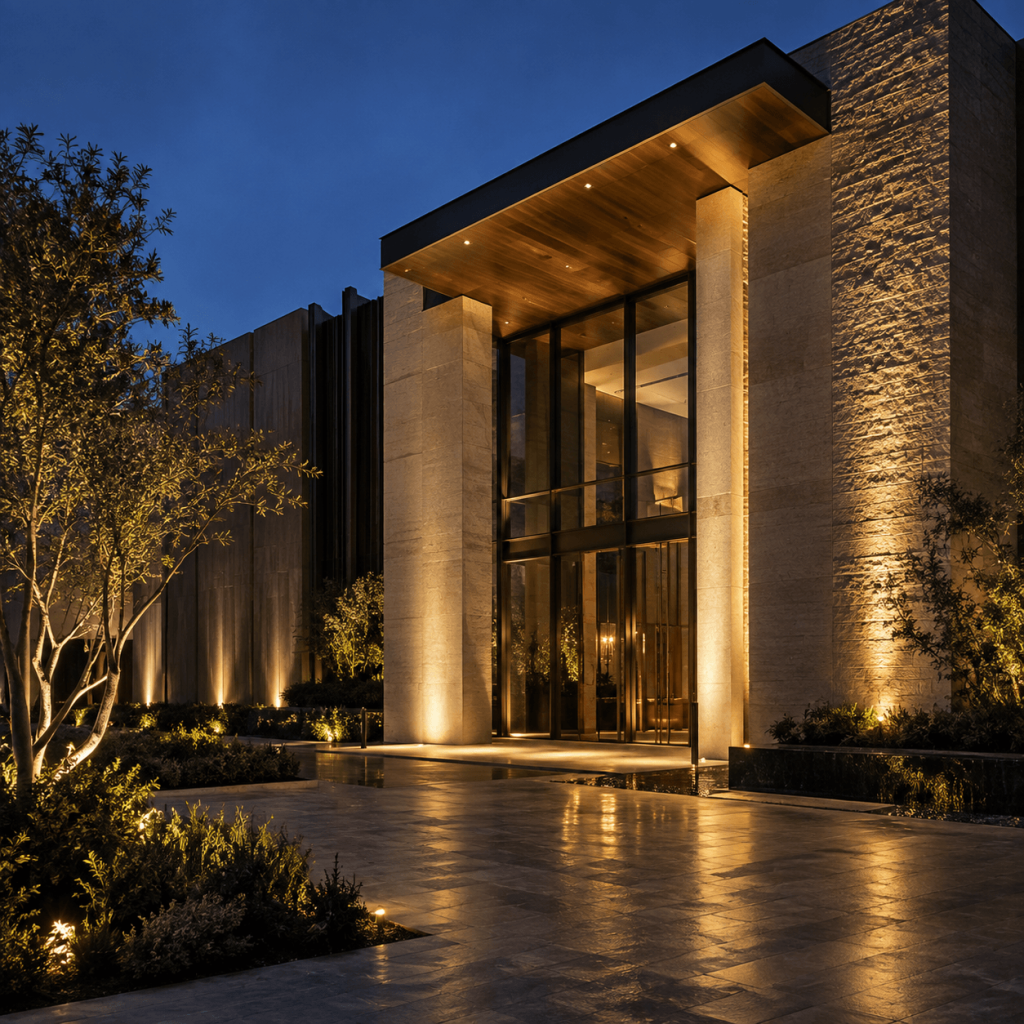
Flood light selection depends on target size, fixture distance, mounting position, optical requirements and the intended architectural effect. Project drawings and installation information can be reviewed before the final luminaire configuration is confirmed.
FAQ
Beam angle should be selected according to target size, projection distance and the desired lighting effect. Narrower beams concentrate light on a smaller area, while wider beams cover broader surfaces. Fixture position and the need for overlap or focused emphasis should also be considered.
Architectural flood lights are commonly used for building facades, landmarks, large structures, landscape features and outdoor architectural environments. They can provide broad coverage or more focused illumination depending on the optical distribution and mounting arrangement.
Define the target size, mounting position, required illumination and viewing conditions. Compare the actual model’s output, optic, aiming, installation space and electrical configuration, then use suitable photometric data for the project calculation.
No. Illuminance at the target also depends on the selected optic, actual output, distance and aiming. A power value alone cannot establish a fixed throw distance or the number of fixtures needed.
The range includes single- and dual-module P groups, round and square housings, and cylindrical or bracket-mounted series. Compare the individual model’s dimensions, optical options, fixing drawings and electrical configuration with the project instead of selecting solely by series name.
Coordinate the optic and aiming with the target and nearby viewing positions. Review shielding options for the selected model and use a calculation or site mock-up to assess spill; no accessory should be assumed compatible without confirmation.
Confirm that the selected model supports the required RGBW configuration together with its supply, driver, controls and optical choice. Review the controller and wiring as a system; series-level options do not establish every model combination.
Provide target dimensions, mounting locations and distances, desired coverage and illuminance, viewing directions, quantities and any color or control requirements. Attach project drawings and request the applicable model-specific optical and installation data.
START A PROJECT
Share your project drawings, target dimensions, mounting locations or lighting concept to begin a focused discussion about suitable LED flood light products and project requirements.